
The ocean is the largest ecosystem on Earth, and it is the planet’s life support system. Ocean is essential for all life on Earth, including humans. To ensure a sustainable future, we must protect and preserve healthy marine ecosystems.
Oceans cover over 70% of Earth’s surface and are essential to life on our planet. These vast bodies of seawater include the Pacific, Atlantic, Indian, Southern, and Arctic Oceans, each of these playing a crucial role in regulating the global climate and supportive a rich diversity of marine life. Oceans are home to millions of species, from tiny plankton to gigantic whales, and their ecosystems, like coral reefs, are swarming with biodiversity. They also drive weather patterns, mingle nutrients, and absorb carbon dioxide, helping to moderate climate change. Human activities, however, threaten ocean health through pollution, overfishing, and climate change influences.
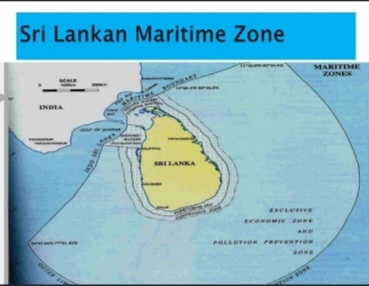
Sri lanka natural resources, prominently its ocean, play a crucial role in its ecosystem and economy. Effective management of both the coastal and oceanic zones is imperative amidst escalating challenges. The country faces mounting environmental pressures from population growth and industrialization, leading to significant discharge of water pollutants into its seas. Of particular concern are plastic-related products, which pose a severe threat to marine biodiversity and coastal integrity.
Marine pollution
Pollution of the marine environment” means the introduction by man, directly or indirectly, of substances or energy into the marine environment, including estuaries, which results or is likely to result in such deleterious effects as harm to living resources and marine life, hazards to human health, hindrance to marine activities, including fishing and other legitimate uses of the sea, impairment of quality for use of sea water and reduction of amenities.
Sri Lanka plastic use and impact on ocean
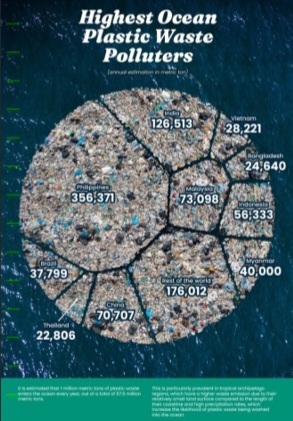
Srilanka has steadily increased its import of plastic, with over 500,000 metric tons (MT) of virgin plastic imported to the island annually, straining the national waste management system. It is estimated that 1.59 million tons of plastic waste are mismanaged in Sri Lanka annually, of which close to half ends up in canals, rivers and eventually the ocean, endangering marine ecosystems. While waste management is part of the problem, it is also part of the solution. Currently, only 33% of all plastic waste is collected, out of which only 3% is recycled nation-wide.
Legal framework for preventing marine pollution in Sri Lanka
According to Article 27(14) of the state policy principle of the Constitution of Sri Lanka, The State Shall protect, preserve and improve the environment for the benefit of the community, According to Article 28, the protection of nature is fundamental. Described as a fundamental right. Apart from that, rules and regulations have been enforced mainly to prevent marine pollution.
1.Marine Pollution Prevention Act No 35 of 2008.
2.Fisheries and Aquatic Resources Act No 11 of 2017 (Amendment).
3. Coast conservation Act No 57 of 1981 and 49 of 2019(Amendment).
4.National Environmental Act No 53 of 2000.
Current law and its deficiencies in the Act
The Marine Pollution Prevention Act, No. 35 of 2008, is a vital piece of legislation in Sri Lanka aimed at protection the marine environment from pollution. This Act establishes the Marine Environment Protection Authority (MEPA) and outlines the legal outline for preventing, reducing, and controlling marine pollution from various sources, including ships, offshore installations, and land-based activities.
Also there are some deficiencies in this Marine Pollution Prevention Act
- Execution Challenges:
Despite the strong legal framework, enforcement remains a significant challenge due to limited resources, poor setup, and lacking trained personnel.
- Coordination and Integration:
There is a need for better coordination between different governmental and non-governmental agencies involved in marine pollution control.
- Public Awareness and Participation
- Pollution from Small Vessels and Local Activities
- Response to Evolving Pollutants
Punishment ,Offences and Issues
Marine and environmental pollution caused by ships, including penalties for specific actions such as oil dumping. However, there is a gap regarding clear provisions for plastic pollution offenses and corresponding penalties.
Se: 41(1) Any person who contravenes the provisions of Se: 40 or any regulation made thereunder shall be guilty of an offence and, on conviction, be liable to a fine of not less than three million rupees and not exceeding six million rupees. The court may also order the offender to remove or remedy the environmental damage wherever possible, reimburse any expenses incurred by the Authority for clearing up the polluted area, and compensate the State for any resulting loss…shall be guilty of an offence and, upon conviction, liable to a fine not exceeding three million rupees.
To address the gap in legislation, specific clauses should be introduced within the law defining what constitutes plastic pollution. This could encompass illegal dumping of plastic waste into water bodies or on land, failure to comply with recycling or disposal regulations for plastics, etc. Appropriate penalties should be specified for offenders, with fines varying based on the severity of the offense, similar to existing penalties for marine pollution. Provisions should cover both individual offenders and corporate entities.
Similar to the existing law’s provisions for remedying environmental damage caused by pollution, mandates should be included for plastic pollution offenders to clean up affected areas and reimburse authorities for cleanup costs. Reporting mechanisms for incidents of plastic pollution should be required, analogous to reporting requirements for oil spills. Standards for monitoring and enforcing compliance with anti-pollution measures related to plastics should also be established.
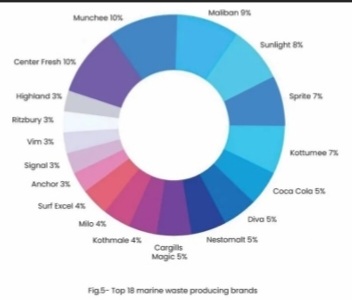
The Act does not clearly define plastics as pollutants under its current framework, despite their evident environmental impact. so The Act’s failure to address plastics as pollutants leads to legal ambiguity and inadequacy in holding responsible parties accountable for plastic pollution incidents. This gap undermines efforts to effectively regulate and mitigate the impacts of plastic waste in marine environments.
Furthermore, while the Civil Liability Amendment Act addresses pollution from ships, it lacks explicit provisions regarding plastics, despite their significant environmental and health impacts. Amending the Act to clearly define and assign civil liability for plastic pollution would be crucial in addressing these pressing environmental issues.
Conclusion
In conclusion, Legislative innovations are vibrant for undertaking Sri Lanka’s marine plastic crisis. Consolidation laws, enhancing enforcement, and promoting public attentiveness can significantly decrease pollution. By adopting these measures, Sri Lanka can protect its marine environment and serve as a perfect for effective plastic waste management globally.
References
[1.] Constitution of SriLanka
[2.] Marine-Pollution-Prevention-Act-No-35-OF-2008
[2.] Arulnayagam Ahalya, “Public Perception towards Plastic Pollution in the Marine Ecosystems of Sri Lanka.”(Department of Marine Bioscience and Environment, Korea Maritime and Ocean University, Busan, South Korea, February 11, 2020)
[3.] Mafaziya Nijamdeen T.W.G.F., AtugodaThilakshani, Kumara P.B. Terney Pradeep Gunasekara, A.J.M., and Vitharnage Meththika, “Status of Particulate Marine Plastics in Sri Lanka Research Gaps and Policy Needs.” (1st pb 2020)
[4.] All About the Ocean, (https://education.nationalgeographic.org/resource/all-about-the-ocean/ accessed 07 of October 2024).
[5.] Chan Kulatunga, “Top marine polluters in Sri Lanka – Brand Audit: 2022-2023″, Published in Dec 23, 2022. (https://medium.com/future-drafted/top-marine-polluters-in-sri-lanka-brand-audit-2022-2023-b3a03c7e1934 accessed 26 of September 2024).
[6.] Plastic Peril: Tracing the Trail of Plastic Pollution Across Sri Lanka’s
Pristine Landscapes, Ministry of Defence 4/09/2023.(https://www.defence.lk/Article/view_article/27501#:~:text=A%20study%20in%20the%20Marine,a%20threat%20to%20marine%20ecosystems accessed 07 of August 2024)
Penned by -Sewmini Madhuwanthi , Praveen Perera ( Second Year Student of Faculty of law University of Colombo )

